The Joy of Saving Seeds

There is no better feeling than growing your own food with seeds that you have saved from the previous season. I am reminded of this joy as I prepare to plant this years crop of sugar snap peas.

For the last 5 years I have been saving open pollinated sugar snap peas and it’s been a joyful experience. While I have only saved sugar snap pea seeds so far, in the near future I would like to try saving other varieties of vegetables as well.

One of the reasons I decided years ago to start growing open pollinated varieties of seeds was the idea of being able to save seeds from season to season.  This seemed like a great way to save money and be more self-sufficient.

Sugar Snap Seeds

If you are not already growing open pollinated varieties, I would recommend that you give them a chance and while you’re at it try saving some seeds.

If you are interested in learning more about seed saving, I would recommend reading the book Seed to Seed by Suzanne Ashworth. Another great resource is the organization Seed Savers Exchange, which has some great resources available on their website.

I will keep you posted on my progress and experiences with seed saving as the season goes on.

Let the Planting Season Begin

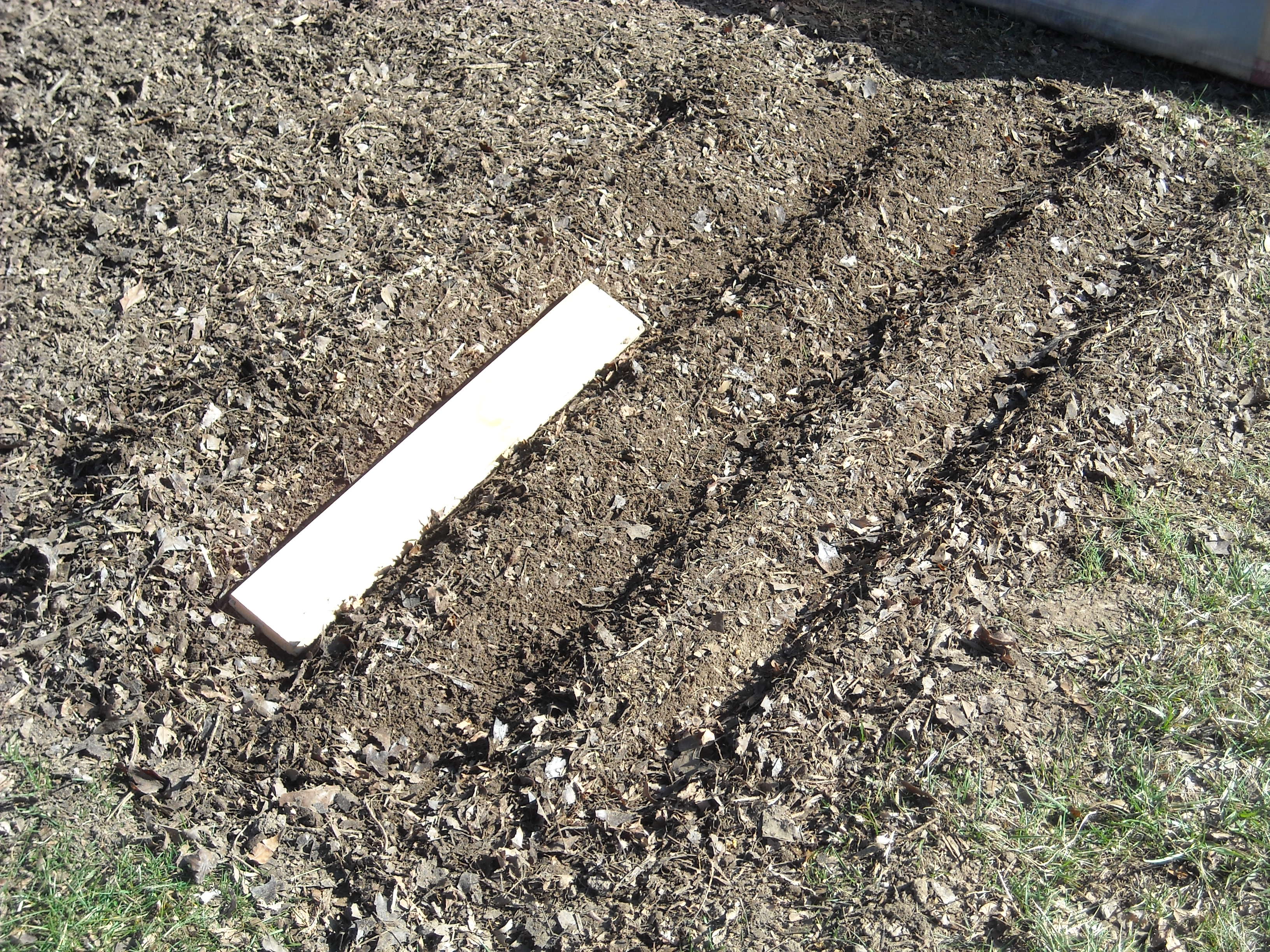
With the days getting longer and the weather getting warmer it was time to begin planting. Last fall I had covered both of the garden beds with shredded leaves, so before I began planting I ran a small rototiller through each of garden beds several times to make sure that any of leftover leaves were well incorporated.
Garden with rototiller

With the tilling complete it was time to focus on planting. Using an old wooden board I created two planting rows. I planted the following seeds in each row:

Row 1: Half row: Bloomsdale Spinach & Half row: Five Color Sliverbeet Swiss Chard

Row 2: Half row: Arugula & Half row: Wild Lettuce Mix

In two weeks I will plant more lettuce, spinach, and swiss chard. The idea is to spread out the planting in order to spread out the harvest.

Garden Planting

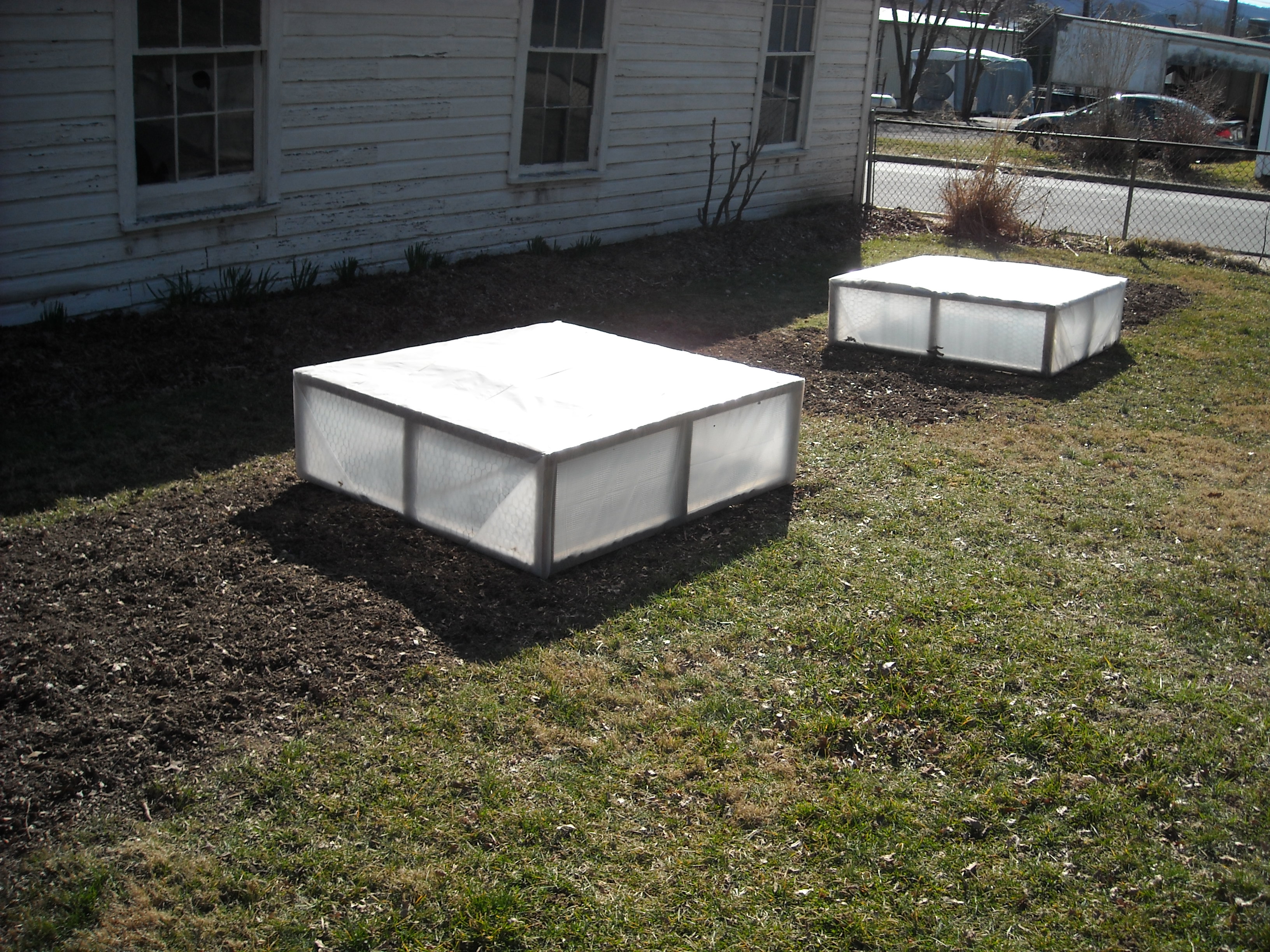
Once all the seeds were planted I covered the newly planted area with a homemade clear plastic cold frame. In central Pennsylvania we still have some very cold days and nights, the cold frames add an extra layer of protection. I have had good success with using cold frames in the past to get an early start on the planting season.

In case you were wondering in the far cold frame are carrots, spinach, and swiss chard that I planted late last fall. All the plants survived the winter under the cold frame. Now I will have a head start on the spring growing season. I can’t wait until the first harvest.

Garden Cold Frames

A warm day in January

We had our first day in the mid 50’s° F of the year and it is only January, that’s pretty rare in central Pennsylvania. So I decide to take full advantage of the nice weather and get some early garden work done. The job at hand, the shredded leaves I put on the garden in the fall needed turned into the soil. I just worked my way down each bed turning the soil over with the shovel. Once I had all the soil turned over I went back over each bed with a rake and leveled out the soil.

1 Garden Jan 2012

2 Garden Jan 2012

First garden task of the year, complete. Only a few more weeks until planting starts.

Seeds, Seeds and more Seeds

Some may say vegetable gardening is all about the seeds. Every winter as I page through the seed catalogs I can’t help but dream of the perfect harvest. It’s this time of year that I begin laying out my plans for the upcoming gardening seasons. This year seems a little more challenging then the past few years because of my desire to harvest food all year round.

Each year I begin by asking myself three simple questions:
What should I grow? (what seeds do I need)
How much should I grow? (how many seeds do I need)
When should I start it? (what do i do with the seeds)

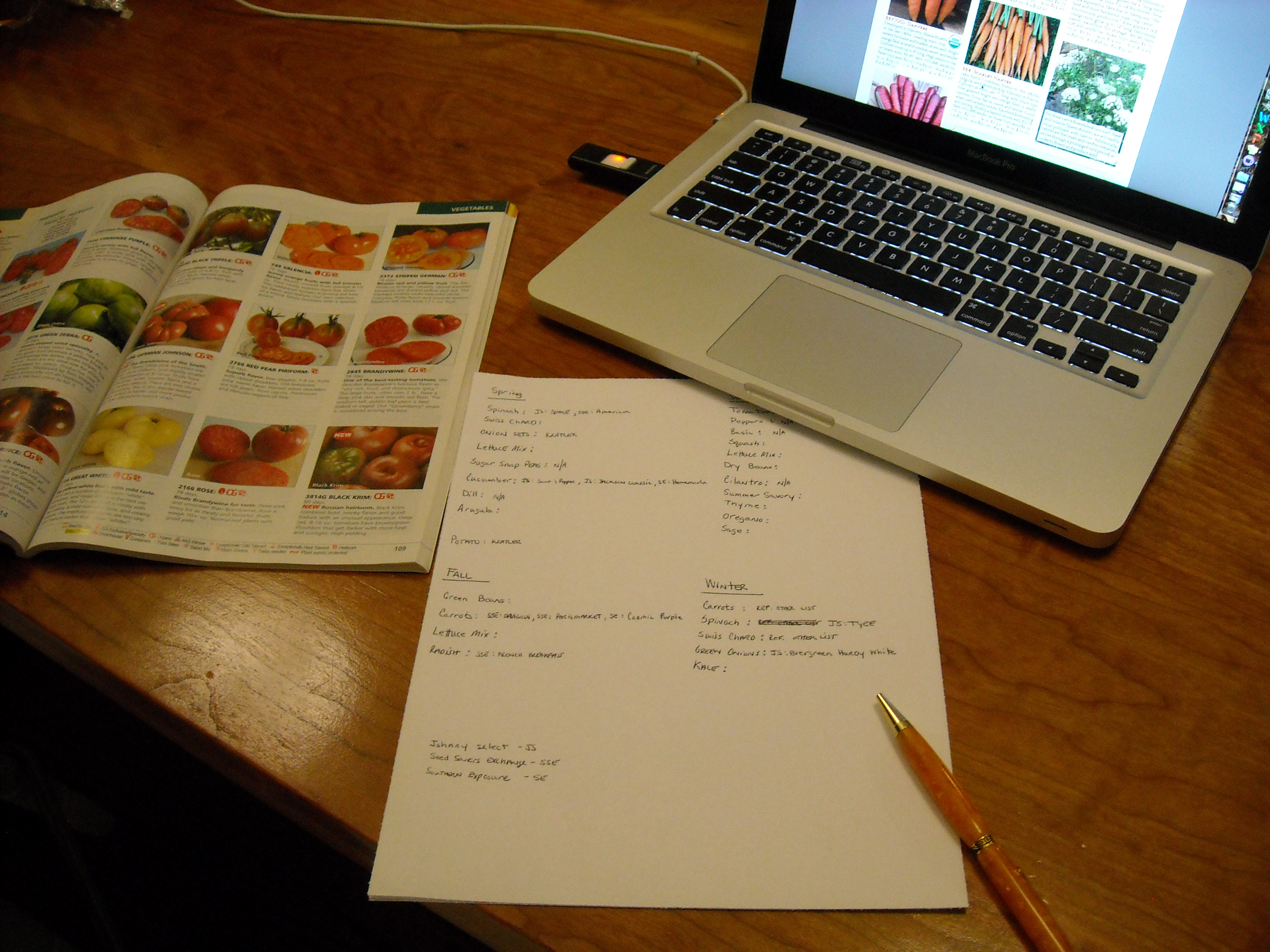
Garden Plan 2012

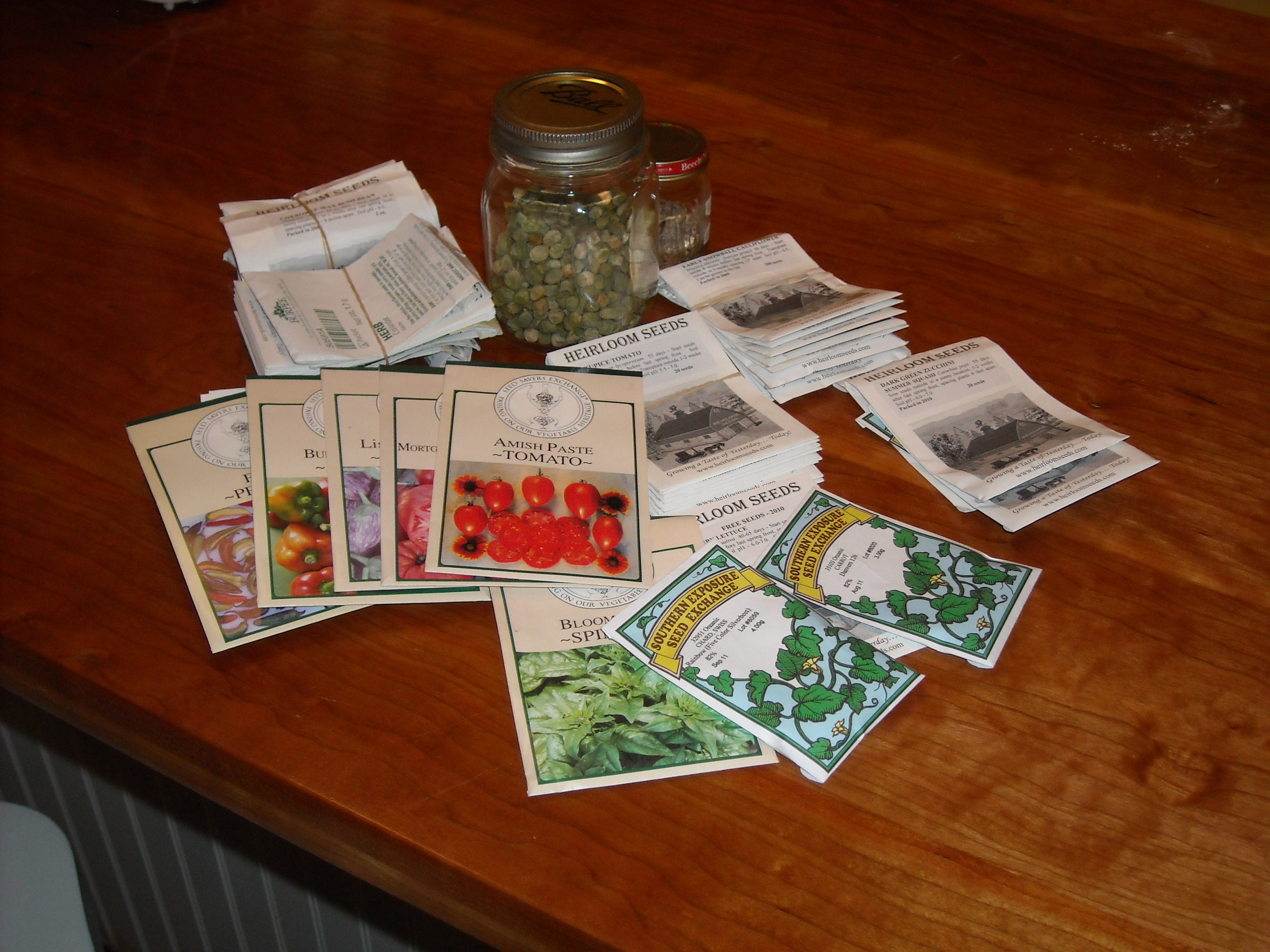
To answer the question: what should I grow? I start by laying out my growing seasons and then listing what vegetables I would like to grow in each season. Once I have a general list I begin to select various varieties of each vegetable that are best suited for the season in which I would like to grow them. Most seed companies will supply you with some basic information to help make this process easier. When I have an idea of what I would like to grow, I check my inventory of seeds to determine what I may need to purchase.

2012 Seeds

When trying to determine how much I should grow, I make a basic sketch of my garden layout on a sheet of graph paper. Once my scale and layout is established, I then begin sketching in various vegetables at the recommend spacings. This process is a good reality check, it helps make sure you have room to plant what you want to plant. Once my sketches are complete it is time to start thinking about when to plant.

Each year I keep a detailed spread sheet of all my seed starting information, this is a great reference tool when considering when to start various seeds. With both my growing lists  and garden layouts complete, I begin to develop a rough seed starting timeline for the upcoming seasons. It is only a rough timeline, because there are so many events in our lives that can affect our ability to get to the job of seed starting. The biggest challenges sometimes comes from Mother Nature. Once I begin planting I create a new spread sheet to record the data for the upcoming season. Keeping good records makes planning and planting in the future much easier.

Late Summer Planting – The Arugula is Looking Good

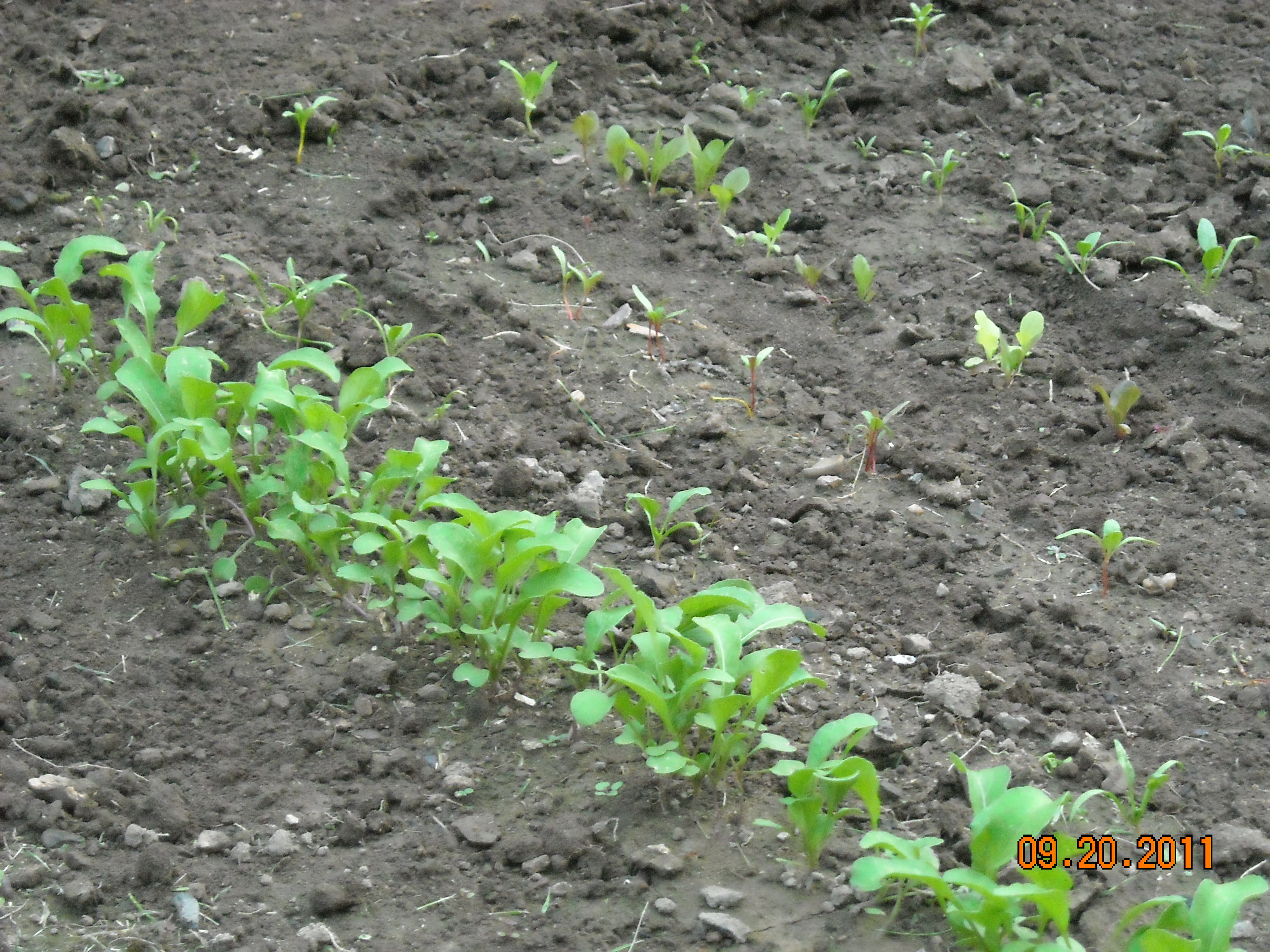
Several weeks ago I decided to do a late planting of some greens for a late fall harvest. I planted: swiss chard, spinach, arugula and two types of lettuce mix. I also planted some old green onion seeds as a test, but the seeds must have been too old because none of the seeds germinated. Right now the arugula looks the best.

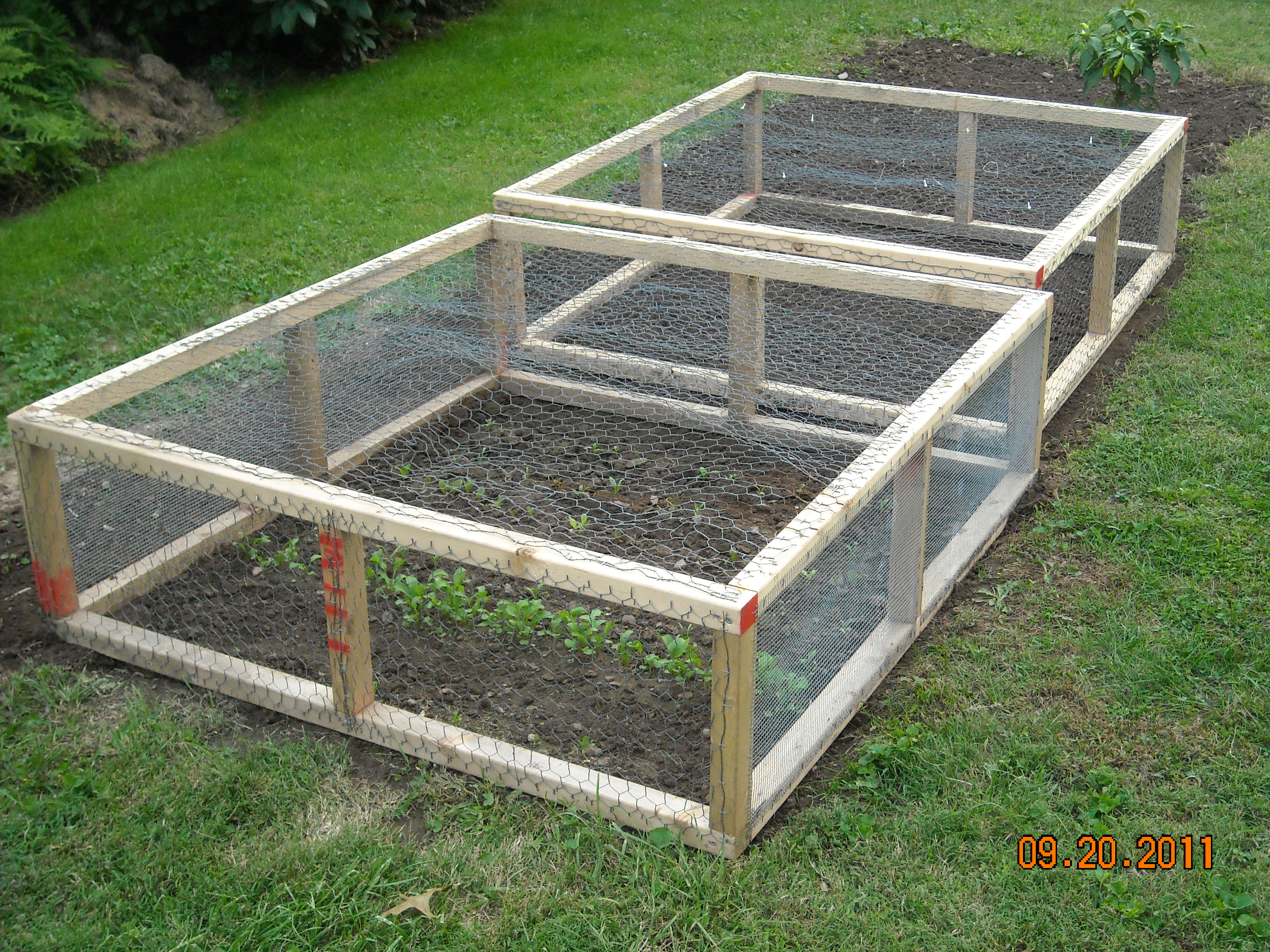
This was even after a week of record-breaking rain in the northeast 2 weeks ago, we still have a lot of seedlings doing well. In order to protect the seedlings from the hard rain I had covered the cage with a plastic-backed drop cloth, this helped slow down the hard rain. It also helped deflect some of the rain which kept the seedlings from washing out.

Last spring the rabbits quickly ate all my greens, as a result I decided to build two 4′ x 4′ x 14″ high cages to keep the rabbits out. After years of working in a garden that was surrounded by a chicken wire fence, I was tired of stepping and tripping over fencing. Making these simple cages seemed like an easy way to keep out the critters and allow easy access to working in the garden. The cage also helped make it easy to cover the seedlings from the hard rain. Lets just hope the rabbits don’t try going under the cages.

It’s Nothing New, It’s Just Old Fashion???

Welcome to the first posting on The Year Round Harvest. For my first post I thought it might be interesting to explain the statement “It’s Nothing New, It’s Just Old Fashion”.

When I began gardening several years ago I had three key sources for knowledge; my father, my grandfather and books. Early in my gardening experience my father and grandfather gave me lots of advice on the various aspects of gardening. It was my grandfather who introduced me to the concept of organic gardening. But even with this wealth of family knowledge I felt I had to learn something for myself. So I turned to books and magazines.

I started reading everything I could on gardening and farming, trying to learn all the latest ideas and concepts. After I would complete a book or read an article in a magazine I would go across town and tell my grandfather about it. Each conversation usually started the same way; I would tell him about the latest concept I had just read about and he would respond by saying “Yes, that’s how we did it years ago”. Sometimes he would even tell me stories about how my great-great grandmother would do it. We would discuss the topics in-depth, sometimes talking for hours. These are the moments I will never forget.

After this happened a few times, I began to realize something, everything that I thought was new was actually just the way it was done years ago. The only reason these ideas seemed new to me was because they had not been discussed in so many years. The reality is Its Nothing New, Its Just Old Fashion.

Just remember our parents, grandparents or even great-grandparents are a great resource for information about growing and preserving food for a year round harvest. They had to do did it for survival, we get to do it for fun.